
Finding New Music Venues in BK/NYC
Garrett
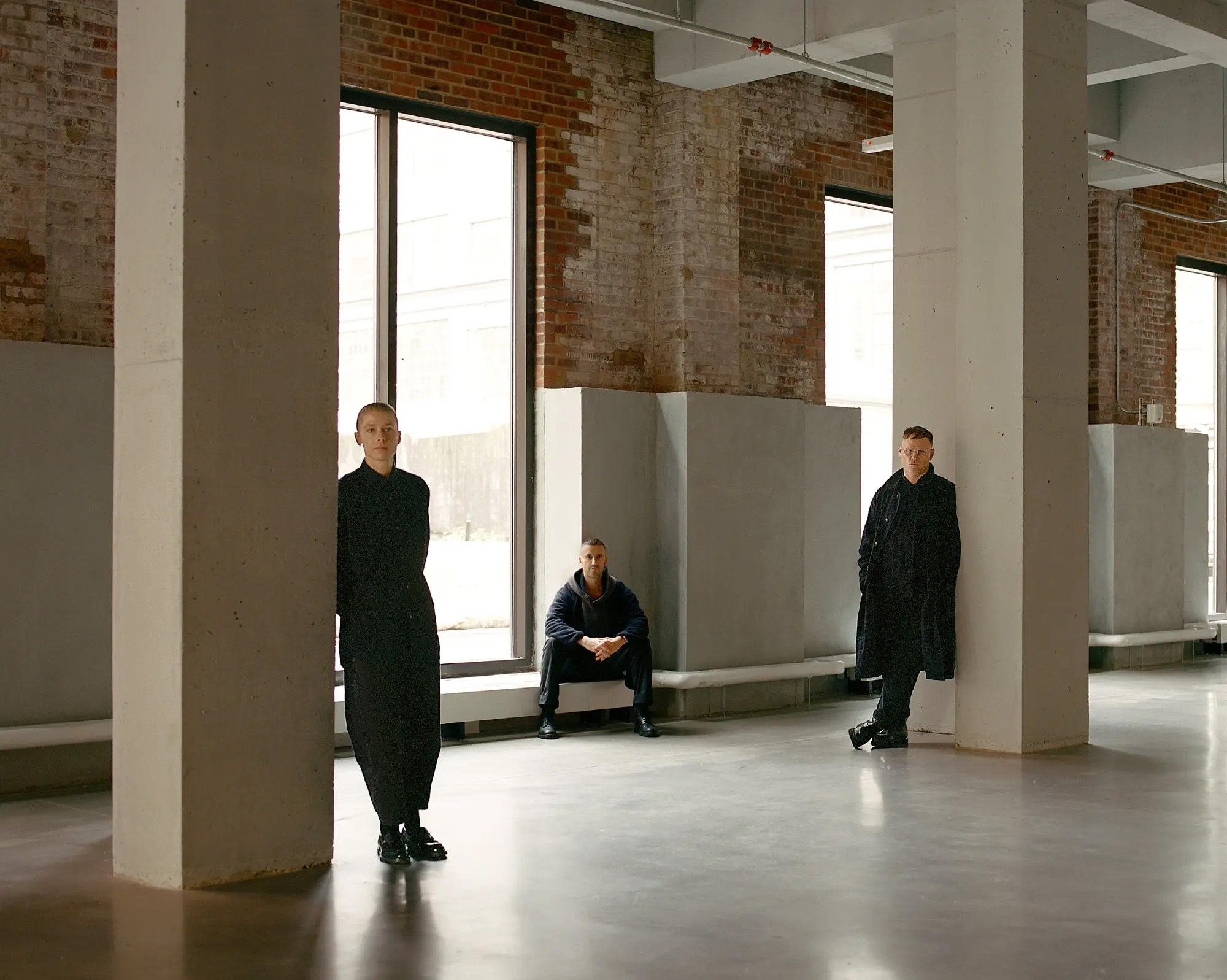
Finding new music venues in New York isn't about chasing the newest openings or following Instagram hype cycles. It's about tracking the people who show up week after week, building something that lasts longer than a single night. When you're looking for spaces worth your time, start by following DJs and collectives who demonstrate consistent vision. Not just technical skill, but an understanding of what a room needs across months and years. These are the tastemakers who lead you to venues that actually matter, not because they're trendy, but because they're building ecosystems. Look at someone like Lovie, whose path from Lot Radio to residencies at Elsewhere and Black Flamingo shows how credible curators find and help shape credible spaces. The venues aren't incidental to their practice. They're partners in a longer conversation about what nightlife can be.
Once you start thinking about venues as living ecosystems rather than backdrops for individual performances, you notice different things. A space that supports both high-energy peak-time sets and listening-forward experiences isn't just being versatile. It's making a choice about what kind of community it wants to nurture. Dance communities cluster around identities: genre focus, yes, but also around energy, openness, and what kind of connection the room prioritizes. Some venues build their programming around soulful, eclectic approaches that refuse to stay in one lane, creating conditions where different kinds of dancers and listeners can find each other. These spaces become recognizable not by their branding but by the way the crowd moves, who shows up, and how people relate to the music and each other over time.
Practical exploration requires mixing intentional research with embodied presence. Check local listings and community platforms like Resident Advisor, notice which collectives are doing cross-scene collaborations, pay attention to flyer aesthetics and the language promoters use about their nights. But then you have to show up. Go early and stay late when you can. The room at 11pm tells you something different than the room at 2am, and understanding those shifts helps you read a venue's actual personality beyond its stated mission. Notice who's working the door, how the sound system handles different frequencies, whether the bartenders seem invested or checked out. These details accumulate into a feeling about whether a space is being cared for or just operated.
The community signals that matter most are the ones that reveal continuity and intention. Are local DJs returning for multiple bookings, or is the venue just cycling through names for novelty? Do the lineups show genuine diversity in sound and identity, or are they checking boxes? Watch how the crowd engages. Not just whether people are dancing, but whether they seem to trust the room, whether different groups mix or stay siloed, whether there's space for both celebration and vulnerability. Programming themes that center concepts like healing, soulful journeys, or deep listening matter more than buzzword branding because they signal what the venue thinks nightlife is for. A space that can articulate its intention and follow through on it week after week is doing something fundamentally different than a space chasing trends.
What you're really doing when you search for new venues is building relationships. Not just with individual spaces, but with the networks of people who care for them. Discovery isn't transactional. It's about finding the DJs, promoters, and communities who understand that a good night isn't just about the music being played, but about the conditions that make deep listening and genuine connection possible. In a city with as much churn as New York, the venues worth returning to are the ones engaged in that longer project, the ones treating their programming as stewardship rather than content. Follow the people doing that work, and you'll find the rooms that feel like home.