
Knowing Your Music as an Avid Listener
Garrett
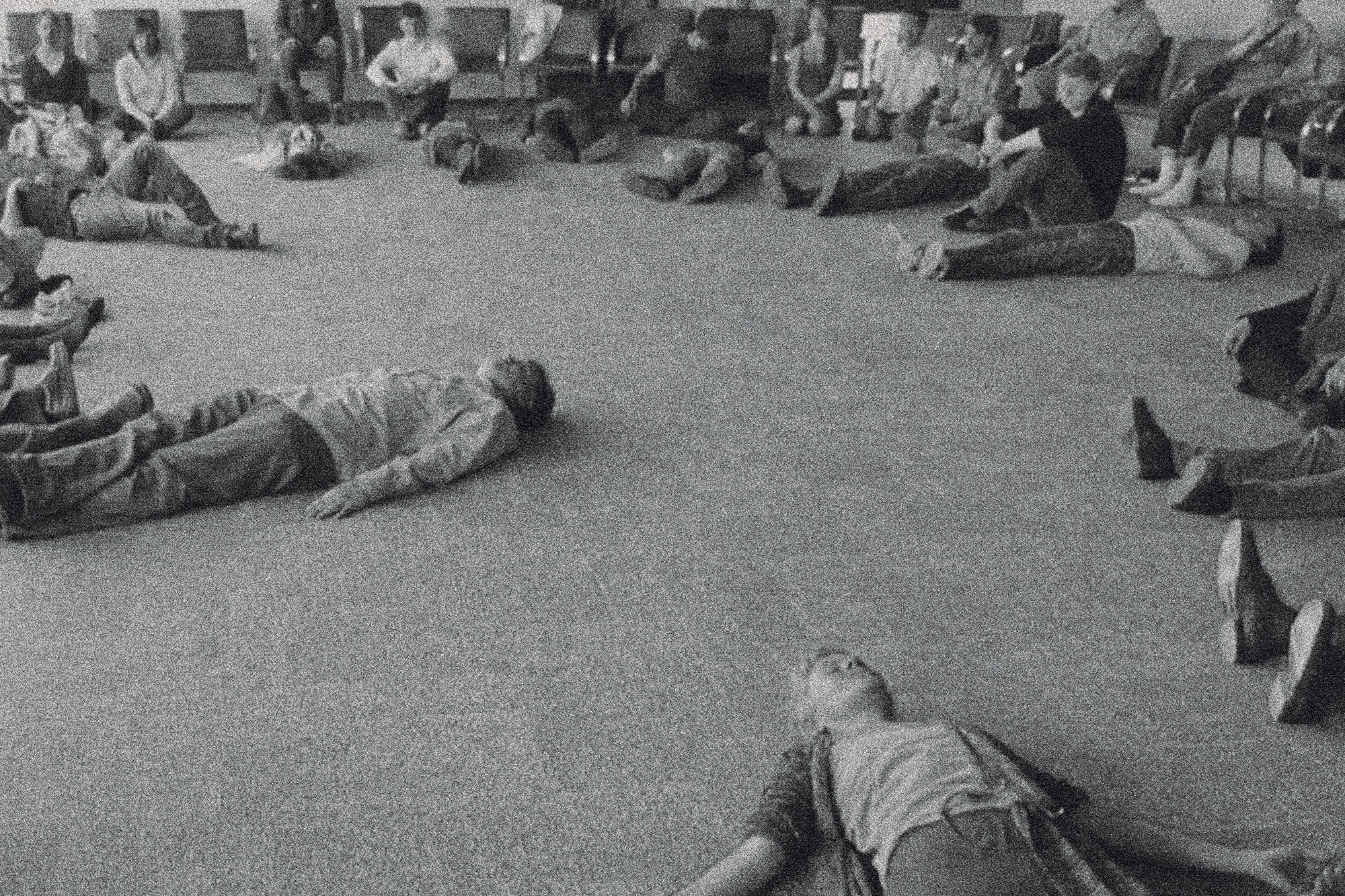
There's a difference between hearing music and listening to it. In an era of infinite scroll and algorithmic playlists that predict our moods before we've named them, most of us have become passengers in our own listening lives. We swipe past songs like faces in a feed, letting platforms decide what we need to feel. But true listening, the kind that changes you, requires something closer to devotion. It asks you to sit still, to notice the way a bassline moves through your chest, to track the architecture of a song as it builds and releases. This is not background noise. This is practice.
When you listen with intention, you begin to develop a different kind of intelligence. Not the kind measured in genre knowledge or artist trivia, but an embodied literacy. The ability to feel when a track is doing its work. You learn to recognize the opener that sets a mood without announcing itself, the peak that earns its climax through patient tension, the closer that knows when to let go. These are not accidents. They are choices, and when you train yourself to hear them, you start to understand music as conversation. You hear what the artist or DJ is asking of you, and you meet them there.
This kind of attention builds an archive that belongs to you alone. Playlists stop being disposable and become living histories, seasonal maps of who you were and what you needed. A song you return to in winter carries different weight than one that soundtracked a summer drive. You begin to curate not for virality or algorithmic favor, but for emotional truth. This is what DJs do when they dig: they collect moments, waiting years sometimes for a track to land in the right context, the right room, the right breath between songs. As a listener, you can do the same. Your collection becomes a relationship, not a database.
And here's what happens when listeners care this much: they change what's possible in a room. DJs who play for educated crowds, people who know the difference between a safe choice and a risk, are freed to go deeper. They can pull out the obscure edit, the unexpected transition, the track that takes two minutes to reveal itself, because they trust the audience to follow. Movements like Soul In The Horn understand this implicitly. They've built a culture where the crowd's musical knowledge creates permission for innovation, where knowing your music isn't gatekeeping but generosity. When people show up ready to listen, the whole room gets smarter.
Knowing your music deeply isn't about accumulating facts or flexing taste. It's about participating in something larger than yourself. It's about sustaining the artists and scenes that refuse to flatten feeling into content, that resist the tyranny of the three-minute hook designed for maximum retention. When you listen with intention, you vote with your attention. You tell the algorithm that you will not be predicted. You tell the artist that their work landed, that it mattered enough for you to sit with it, to let it reshape you.
Because that's what happens when you truly pay attention: you become more alive to texture, to subtlety, to the emotional architecture of sound. You stop treating music as something that happens to you and start treating it as something you choose to live inside. You build a practice, an archive, a way of being in the world that honors the work it takes to make something beautiful. And in a culture that profits from distraction, that kind of listening is not just personal. It's political. It's an act of resistance and care.
So the question isn't whether you know enough music. It's whether you're willing to know the music you have. To listen until a song becomes part of your body, until you can hear what it's asking for, until you understand that attention is the most honest currency you have. That's when listening stops being consumption and becomes relationship. That's when you stop being a user and become a participant in culture itself.